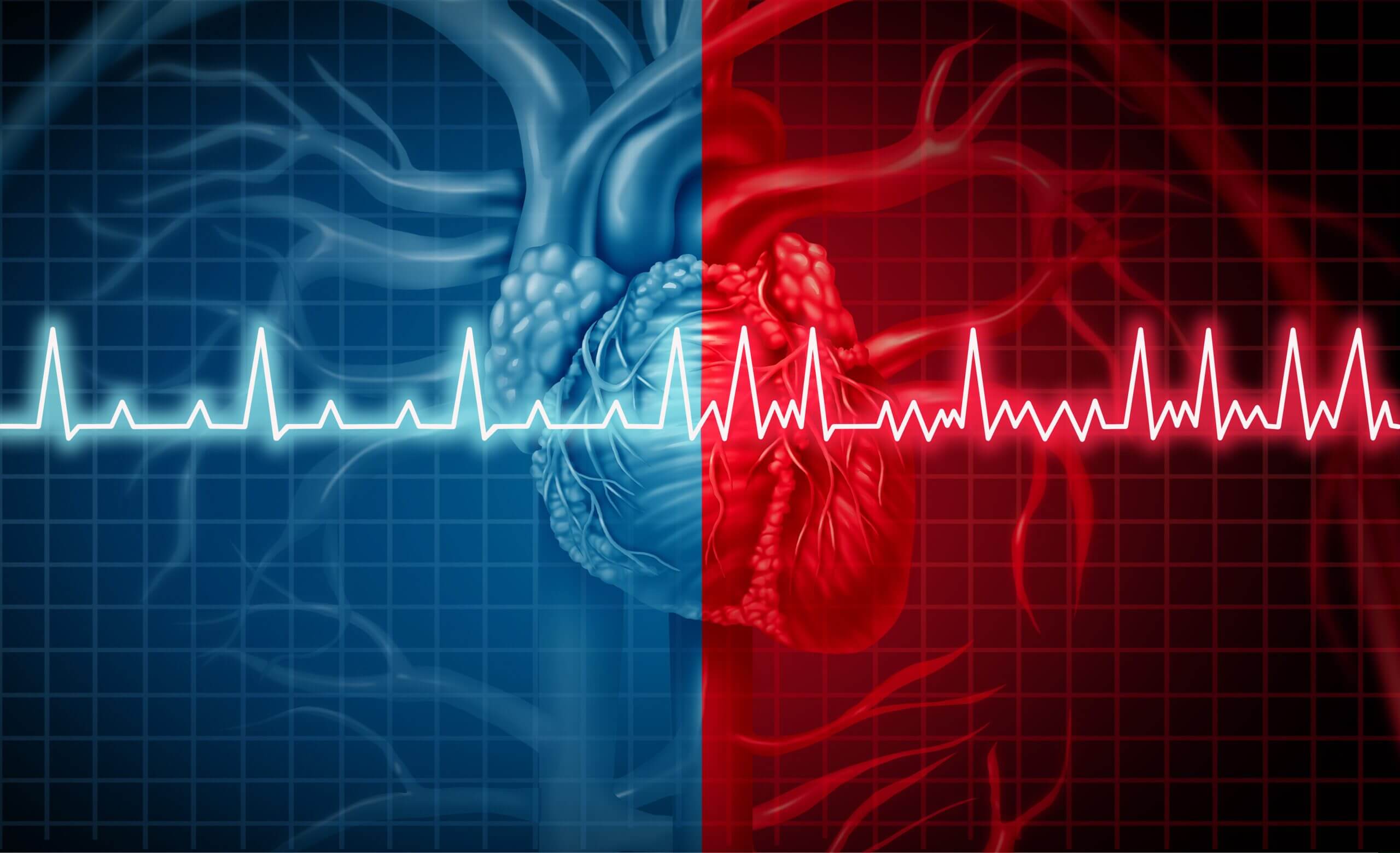
Managing AFib After Eating: Essential Tips for Post-Meal Heart Health

Manage your Atrial fibrillation (AFib) symptoms more effectively by gaining a comprehensive understanding of the impact that diet and lifestyle changes have on your heart health. Specifically, pay close attention to your post-meal eating habits, as they can play a crucial role in managing and mitigating the effects of AFib. By making mindful choices and adopting a heart-healthy approach to your diet and lifestyle, you can significantly improve your overall well-being and reduce the frequency and severity of AFib episodes.

Causes of Atrial Fibrillation: Risk Factors and Treatment

Did you know that atrial fibrillation, a condition characterized by irregular heart rhythms, is the most prevalent cardiac arrhythmia affecting millions of people worldwide? Understanding the underlying causes of atrial fibrillation, including factors such as age, high blood pressure, and heart disease, is crucial to maintaining optimal heart health. By exploring various treatment options, such as medication, lifestyle changes, and medical procedures like catheter ablation, individuals can effectively manage this condition. Symptoms of atrial fibrillation can vary from chest pain and heart palpitations to shortness of breath and fatigue. Stay informed and dive into this comprehensive guide to gain a deeper understanding of the causes, risk factors, and effective management strategies for atrial fibrillation.


What Causes AFib: Identify Risk Factors, Triggers, and Treatment

Discover more about the underlying causes of AFib in this informative article. Atrial fibrillation (AFib), a prevalent heart condition that affects countless individuals worldwide, can lead to potentially severe complications, including stroke and heart failure. However, what exactly triggers this irregular and rapid heart rhythm? Furthermore, how can it be effectively managed or even prevented? This comprehensive blog post will delve into the intricacies of AFib, encompassing a deep understanding of its nature, identification of atrial fibrillation causes, exploration of symptoms and risk factors, and a thorough discussion on diagnosis, treatment, and prevention strategies.